Diabetes, a condition that affects millions worldwide, is a complex and multifaceted challenge. From its various types to the symptoms that manifest, understanding diabetes is crucial for effective management. In this blog post, we’ll explore the different types of diabetes, their causes, symptoms, and provide a personal perspective from someone who navigates this journey firsthand.
Types of Diabetes:
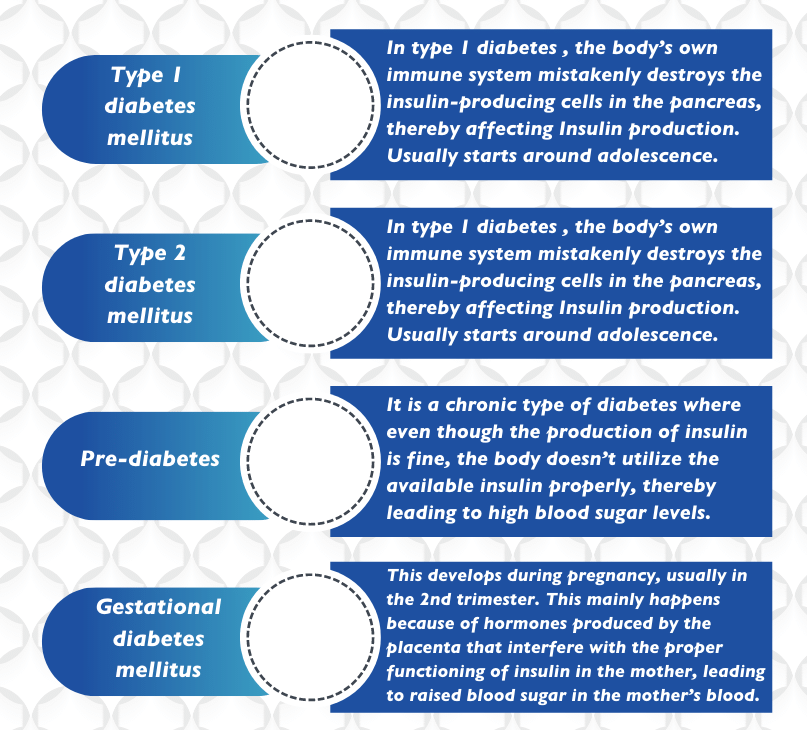
Diabetes encompasses several types, each with distinct characteristics. Type 1 diabetes occurs when the immune system mistakenly attacks and destroys insulin-producing cells in the pancreas. Type 2 diabetes, often linked to lifestyle factors, involves insulin resistance. Pre diabetes, a precursor to type 2 diabetes, indicates higher-than-normal blood sugar levels. Gestational diabetes emerges during pregnancy and usually subsides post childbirth.
Type 1 vs Type 2 Diabetes:
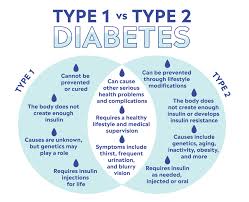
Type 1 diabetes is an autoimmune condition where the immune system attacks and destroys insulin-producing cells in the pancreas. This results in little to no insulin production, requiring lifelong insulin injections. Type 2 diabetes, on the other hand, is often related to lifestyle factors and genetics. The body becomes resistant to insulin, and the pancreas struggles to produce enough insulin to maintain normal blood sugar levels. Type 2 diabetes can often be managed with a combination of lifestyle changes, oral medications, and sometimes insulin.
Causes and Risk Factors:
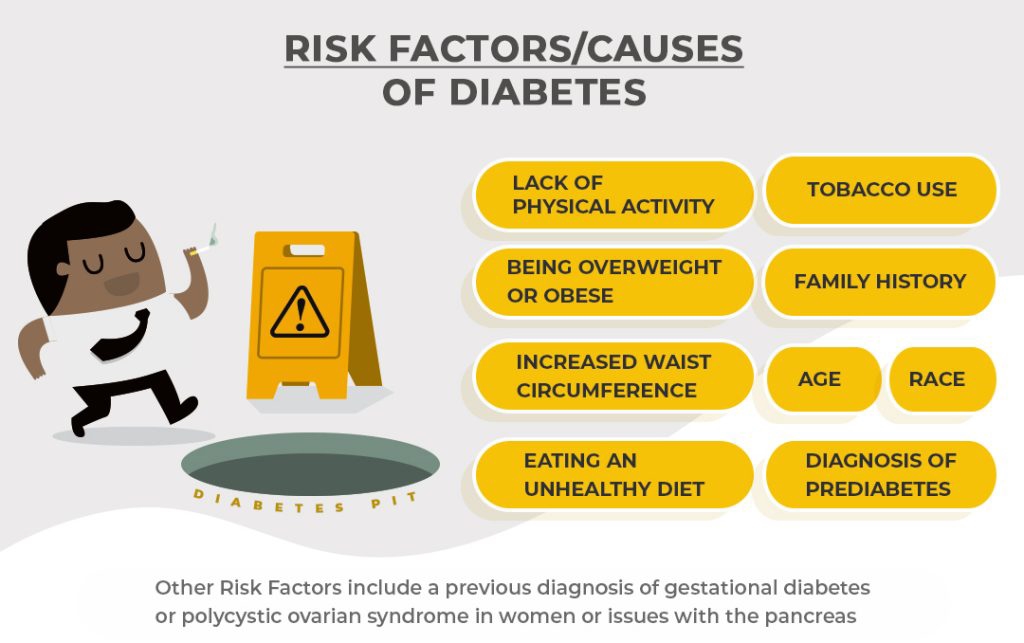
For type 1 diabetes, genetics and environmental factors play a role. Type 2 diabetes is closely tied to obesity, lack of physical activity, and genetics. Gestational diabetes is influenced by hormonal changes during pregnancy. Understanding these factors is essential for early intervention and prevention.
Symptoms of Diabetes:
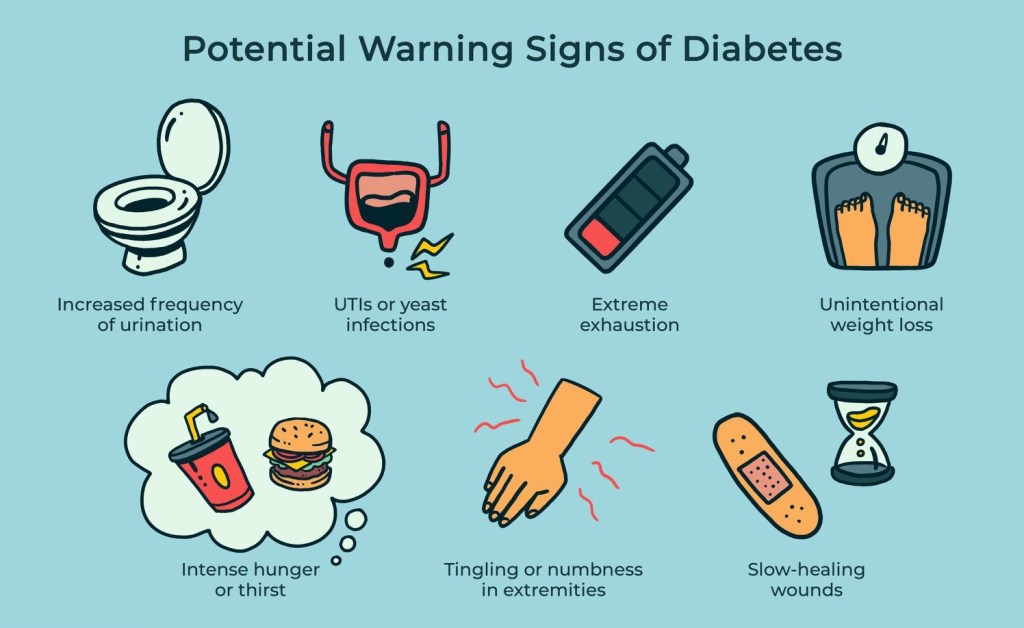
Common symptoms include increased thirst, frequent urination, unexplained weight loss, fatigue, blurred vision, and slow wound healing. However, the symptoms can vary depending on the type of diabetes and individual factors.
What is Diabetes?
At its core, diabetes is a condition that disrupts the body’s ability to regulate blood sugar levels. Insulin, a hormone produced by the pancreas, helps transport glucose from the bloodstream into cells for energy. In diabetes, this process is impaired, leading to high blood sugar levels that can have far-reaching health consequences.
A Personal Perspective:
As someone who lives with diabetes, I’ve experienced firsthand the intricacies of managing blood sugar levels, counting carbs, and making daily decisions that impact my health. It’s a continuous balancing act that requires vigilance, resilience, and a deep understanding of my body’s responses. While it can be challenging, it’s also a journey of self-discovery and empowerment.
Understanding diabetes—its types, causes, and symptoms—is a crucial step toward effective management. Whether it’s managing insulin injections, monitoring blood sugar levels, or making dietary choices, diabetes demands a proactive approach to maintain health and well-being. Remember, you’re not alone in this journey, and seeking support from healthcare professionals, peers, and loved ones can make all the difference.

Just like in the world of Gossip Girl, where every character has their own unique story, diabetes is a part of my story, one that I navigate with determination, grace, and the knowledge that I have the power to shape my narrative.
With shared experiences and determination,
DiabeticGirl
 Diabeticgirl
Leave a comment