Hyperosmolar Hyperglycemic State (HHS) is a medical emergency that can occur in individuals with diabetes, particularly those with type 2 diabetes. While less common than diabetic ketoacidosis (DKA), HHS is a serious condition that demands awareness and prompt action. In this blog post, we will delve into the causes, symptoms, prevention, and management of HHS, providing you with essential insights to stay prepared and informed.

Understanding Hyperosmolar Hyperglycemic State:
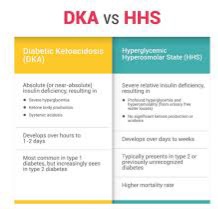
HHS develops when blood sugar levels rise significantly and remain high over an extended period. Unlike DKA, HHS does not usually involve the excessive production of ketones. Instead, it results in extreme dehydration and increased blood osmolality due to high glucose levels.
Recognizing the Symptoms:
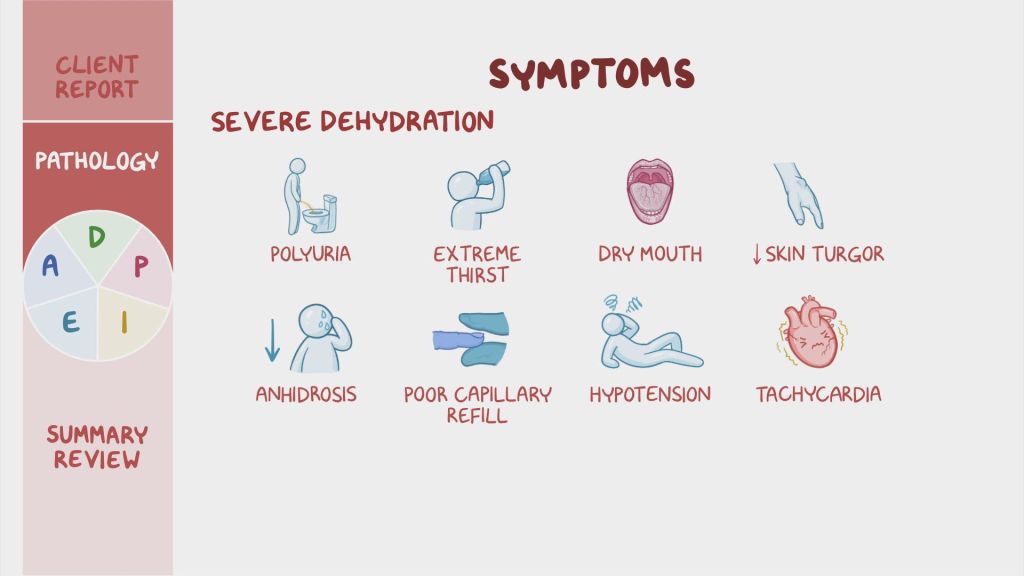
The symptoms of HHS can be gradual and may include extreme thirst, dry mouth, very high blood sugar levels, frequent urination, weakness, confusion, and even unconsciousness. If you or someone you know experiences these symptoms, seek medical assistance immediately.
Preventing Hyperosmolar Hyperglycemic State:
The primary prevention strategy for HHS involves meticulous diabetes management. Regular blood sugar monitoring, adhering to prescribed medications, staying hydrated, and making healthy lifestyle choices are essential. Monitoring for any signs of high blood sugar, especially in vulnerable populations like older adults, is crucial to preventing HHS.
Managing HHS:
If HHS is suspected, immediate medical attention is essential. Hospitalization is often required to rehydrate the body, lower blood sugar levels gradually, and address any underlying health issues. Treatment may include intravenous fluids, insulin therapy, and close monitoring of electrolyte levels.
Hyperosmolar Hyperglycemic State is a stark reminder that diabetes management goes beyond daily blood sugar checks and medication routines. By understanding the causes, recognizing the symptoms, and taking proactive steps to prevent HHS, you empower yourself to navigate the challenges of diabetes more effectively. Staying informed, communicating openly with your healthcare team, and seeking timely medical attention when necessary can make a significant difference in your overall well-being.

Remember that your health journey is a continuous process, and staying informed about potential complications like HHS is a crucial part of it.
Wishing you health and resilience on your path,
DiabeticGirl
 Diabeticgirl
Leave a comment