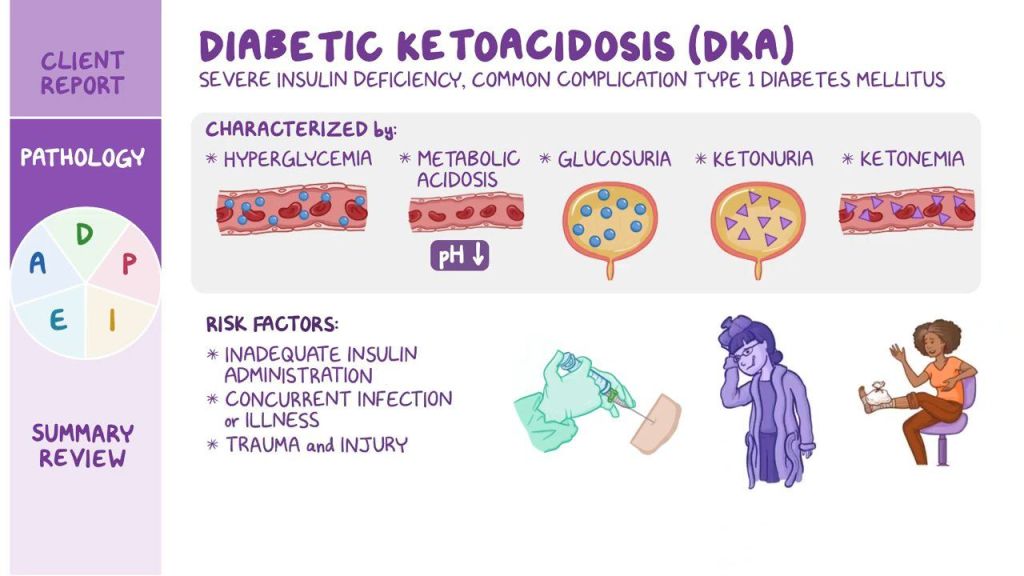
Diabetic Ketoacidosis (DKA) is a serious complication that can arise in individuals with diabetes. While it’s essential to manage blood sugar levels diligently, the occurrence of DKA underscores the need for vigilance and understanding. In this blog post, we’ll delve into the causes, symptoms, prevention, and management of DKA, shedding light on this critical aspect of diabetes care.
The Basics of Diabetic Ketoacidosis:
Diabetic Ketoacidosis occurs when the body’s cells are starved of glucose due to inadequate insulin levels. To compensate, the body starts breaking down fat for energy, leading to the production of ketones. Ketones are acidic byproducts that, in high levels, can disrupt the body’s pH balance, causing a potentially life-threatening condition.
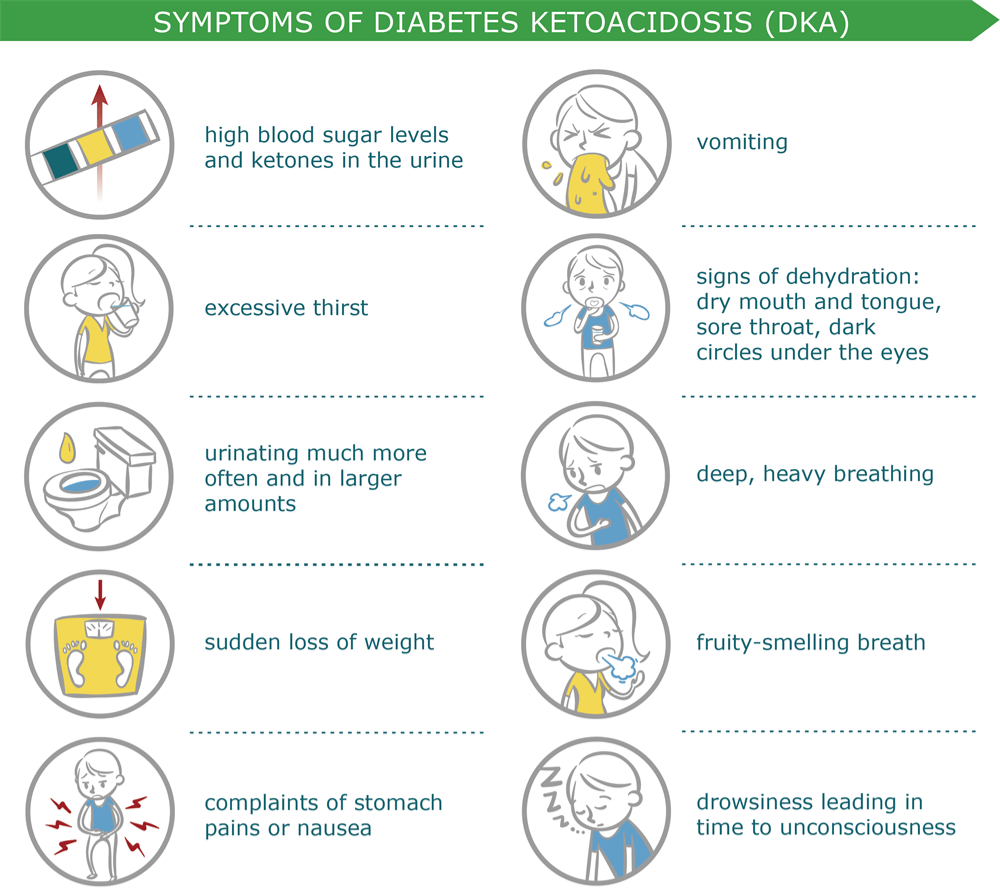
Recognizing the Symptoms:
Early detection of DKA symptoms is crucial for prompt medical intervention. Symptoms may include frequent urination, excessive thirst, nausea, vomiting, abdominal pain, fruity-scented breath, confusion, and even unconsciousness. If you or someone you know with diabetes experiences these symptoms, seek medical help immediately.
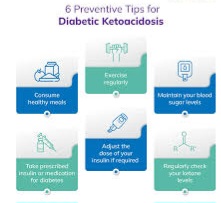
Preventing Diabetic Ketoacidosis:
The key to preventing DKA lies in effective diabetes management. Consistently monitoring blood sugar levels, adhering to your prescribed insulin regimen, and following a balanced diet are essential steps. Regular communication with your healthcare team and promptly addressing any changes in your health can also help prevent the onset of DKA.
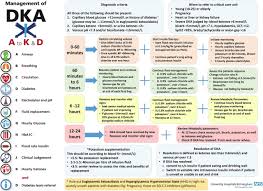
Managing DKA:
If you suspect DKA, don’t hesitate to seek medical attention. Hospitalization is often required to stabilize blood sugar levels and correct acidosis. Treatment may involve intravenous fluids, insulin therapy, electrolyte replacement, and close monitoring. While DKA is a serious condition, with timely intervention and appropriate care, most individuals can recover fully.
Diabetic Ketoacidosis is a stark reminder of the complexities of diabetes management. As daunting as it may seem, understanding the causes, symptoms, and preventive measures can empower you to take control of your health. By staying vigilant, communicating openly with your healthcare team, and making informed choices, you can minimize the risk of DKA and lead a healthier life with diabetes.

Stay informed, stay proactive, and remember that knowledge is your best defense against diabetic ketoacidosis.
Wishing you well-managed health,
DiabeticGirl
 Diabeticgirl
Leave a comment